Soy wax has a grammar of its own. Here are twelve words worth knowing before you light your first candle. If you are after the fragrance side instead, start with our piece on top, heart and base notes.
- Soy wax
- Plant wax made from hydrogenated soybean oil, no paraffin. Usually burns more slowly than paraffin, though not by a fixed percentage.
- Paraffin
- A by-product of crude-oil refining and the most widely used candle wax. In a 2002 Iowa State University study it gave off much more soot than soy.
- Beeswax
- Wax produced by honeybees in the honeycomb. Carries its own honey aroma and melts at 62-65 °C.
- Rapeseed wax
- European-grown vegetable wax pressed from rapeseed, used mainly in container candles.
- Coconut wax
- Soft wax made from coconut, usually blended with other waxes such as soy.
- Frosting
- The white, crystalline streaks that form on the surface of soy wax as it cools. Not a defect - the signature of real, unmodified soy.
- Tunnelling
- A narrow shaft burned out of the centre of the candle while the wax at the sides stays untouched. Prevented by a first burn of 2-3 hours to the rim.
- Melt pool
- The pond of molten wax around the wick during a burn. It should reach the rim of the vessel - that is where hot throw is released.
- Cold throw
- The scent of the unlit candle, what greets you off the shelf. The first promise, before fire tests it.
- Hot throw
- The scent released during a burn, as the melt pool lifts fragrance molecules into the air. This is where the quality of a composition is decided.
- IFRA
- International Fragrance Association - the body setting safe-use concentrations for fragrance materials. Every UrbanNote formula sits inside its limits.
- Wax memory
- Soy wax remembers the reach of its first burn. A short first light means a tunnel on every later one.
- Cure time
- The resting period after pouring, while fragrance oils bind into the wax. Soy needs at least 14 days.
- Sweating
- Beads of oil that surface on a candle in a hot room. Wipe them off and burn as normal.
- Burn time
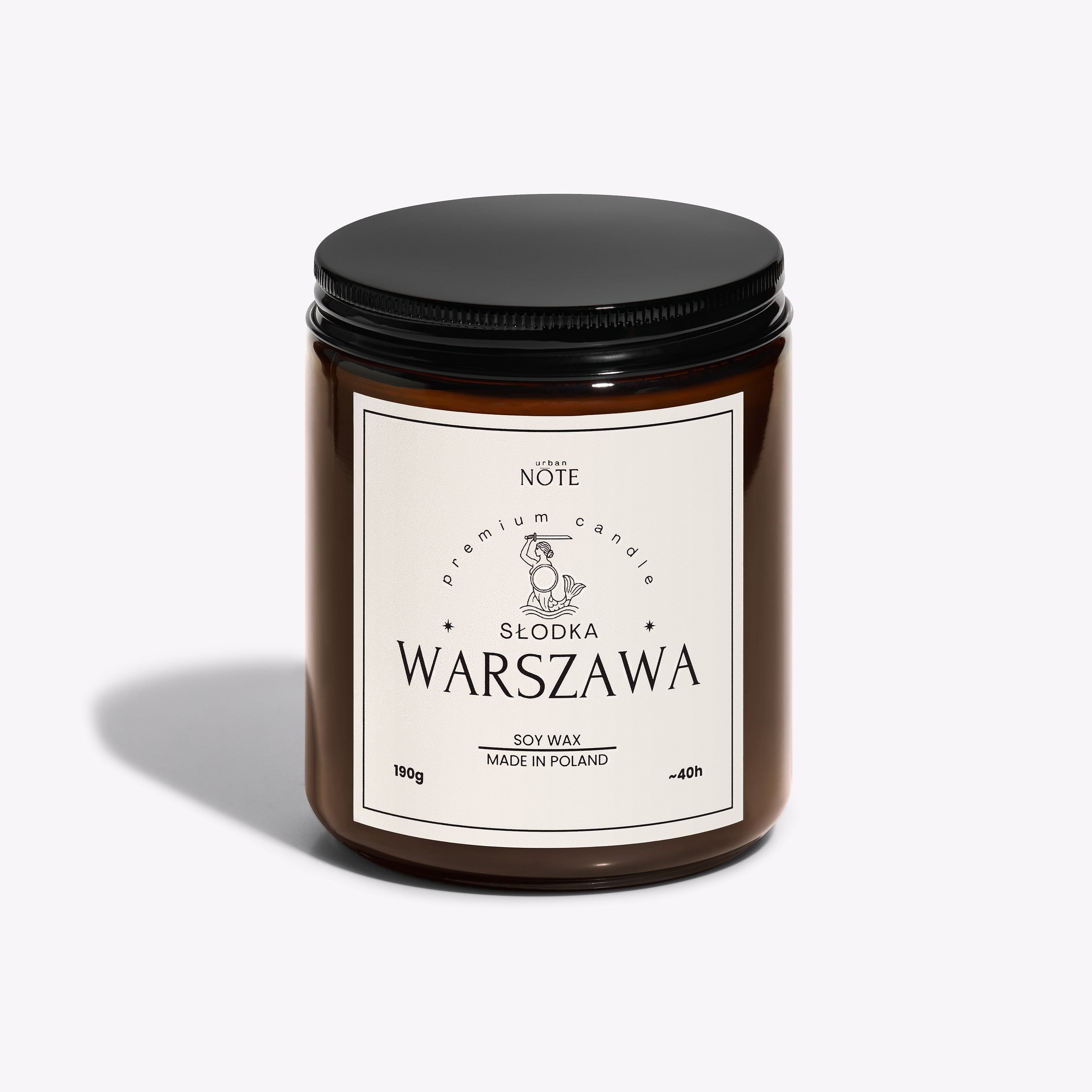
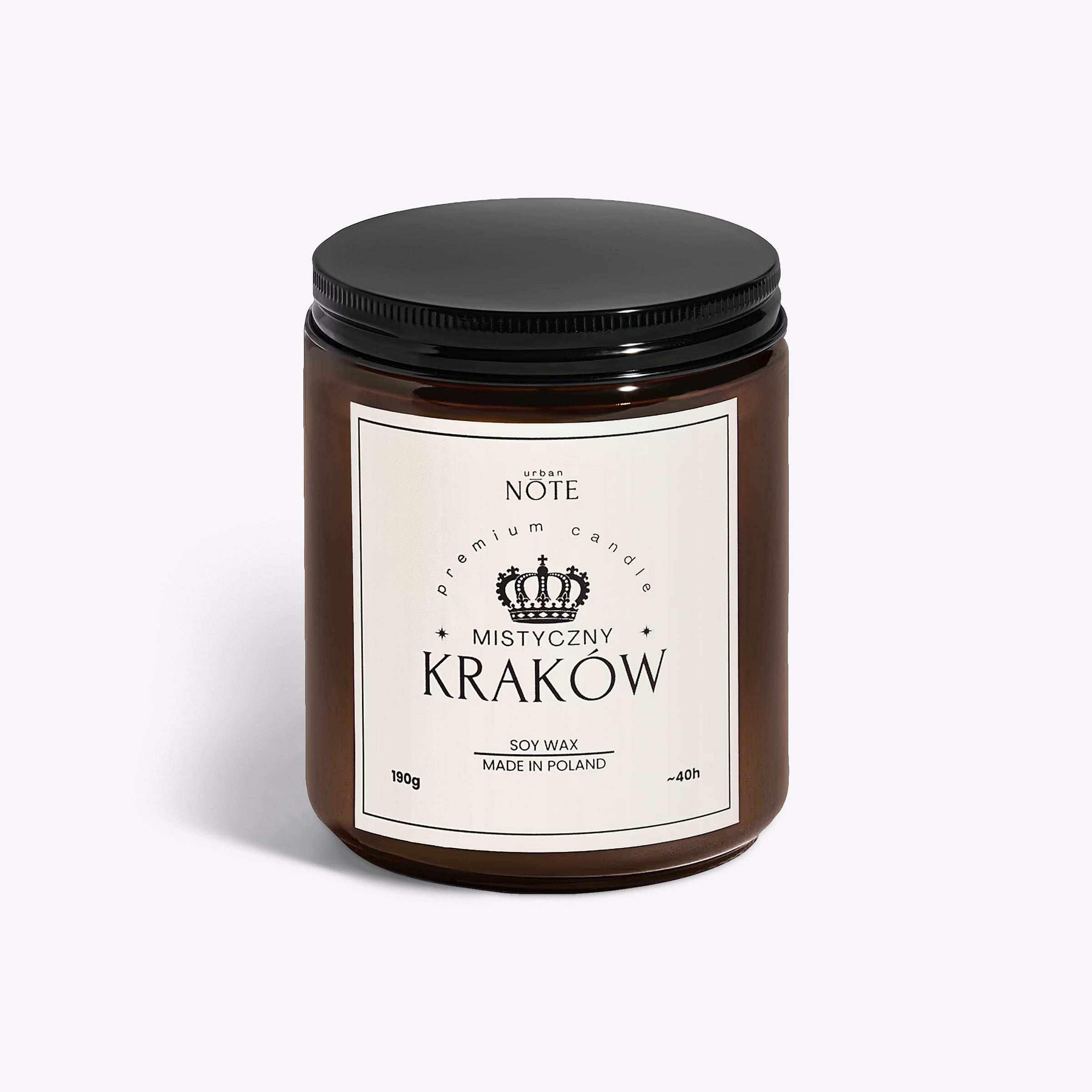
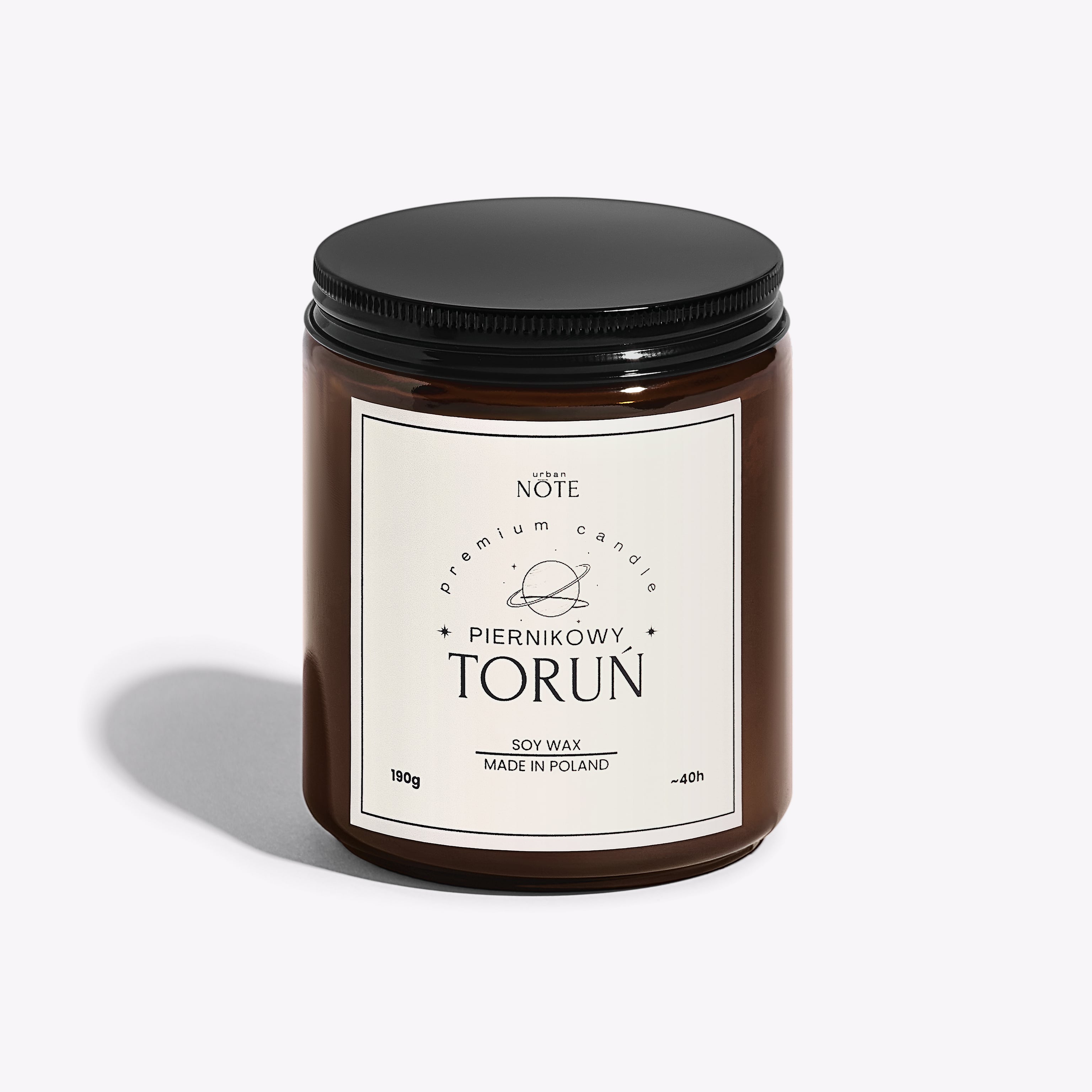
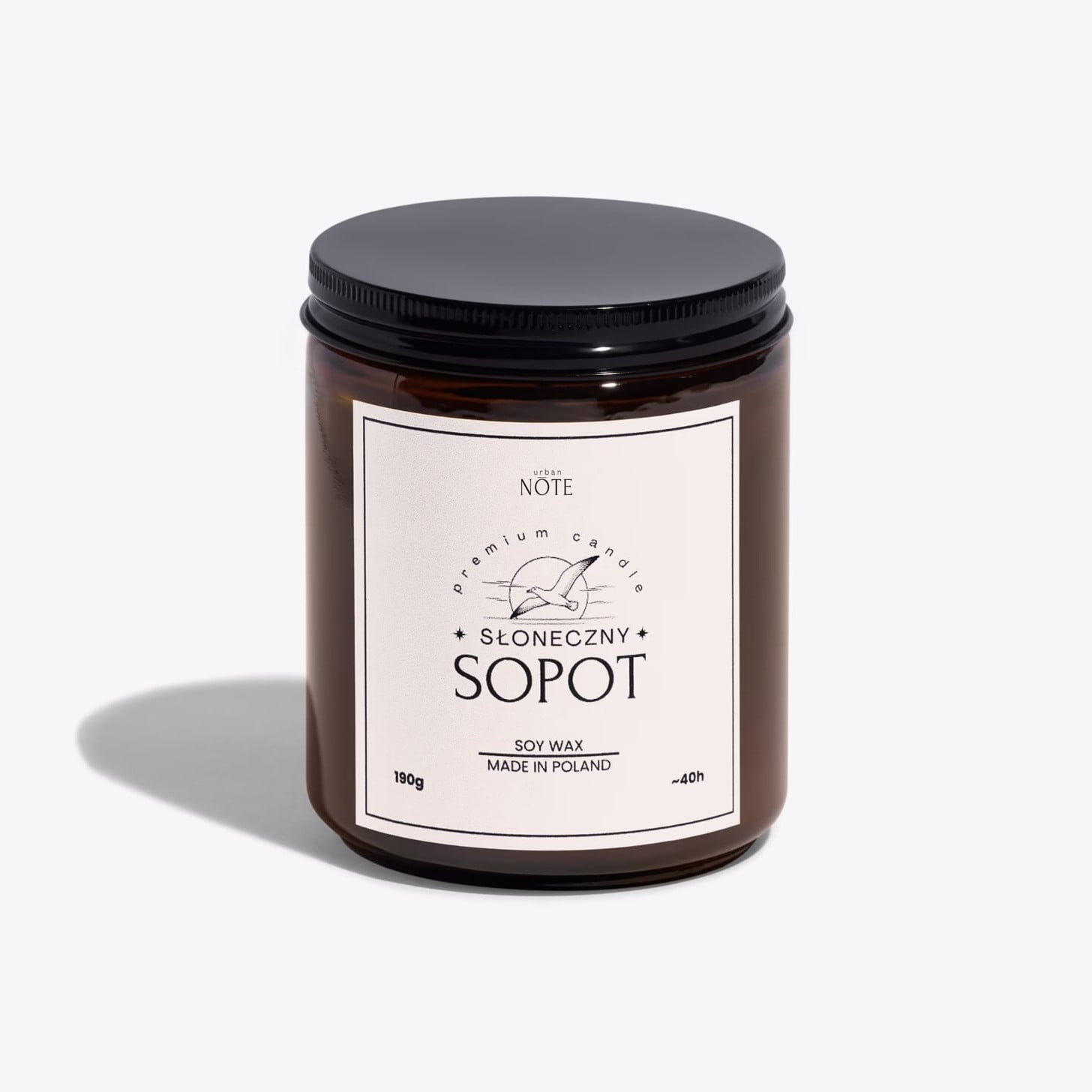
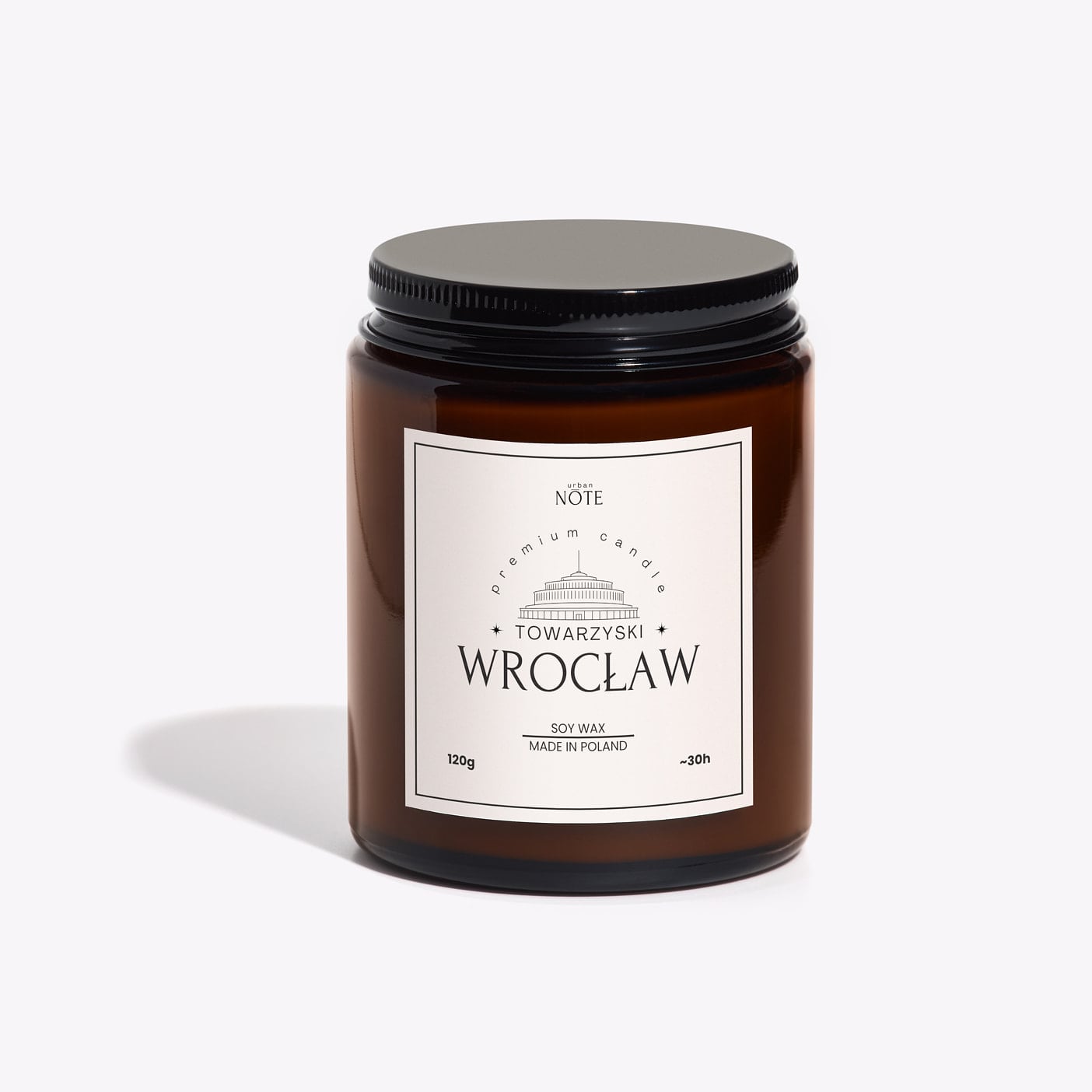
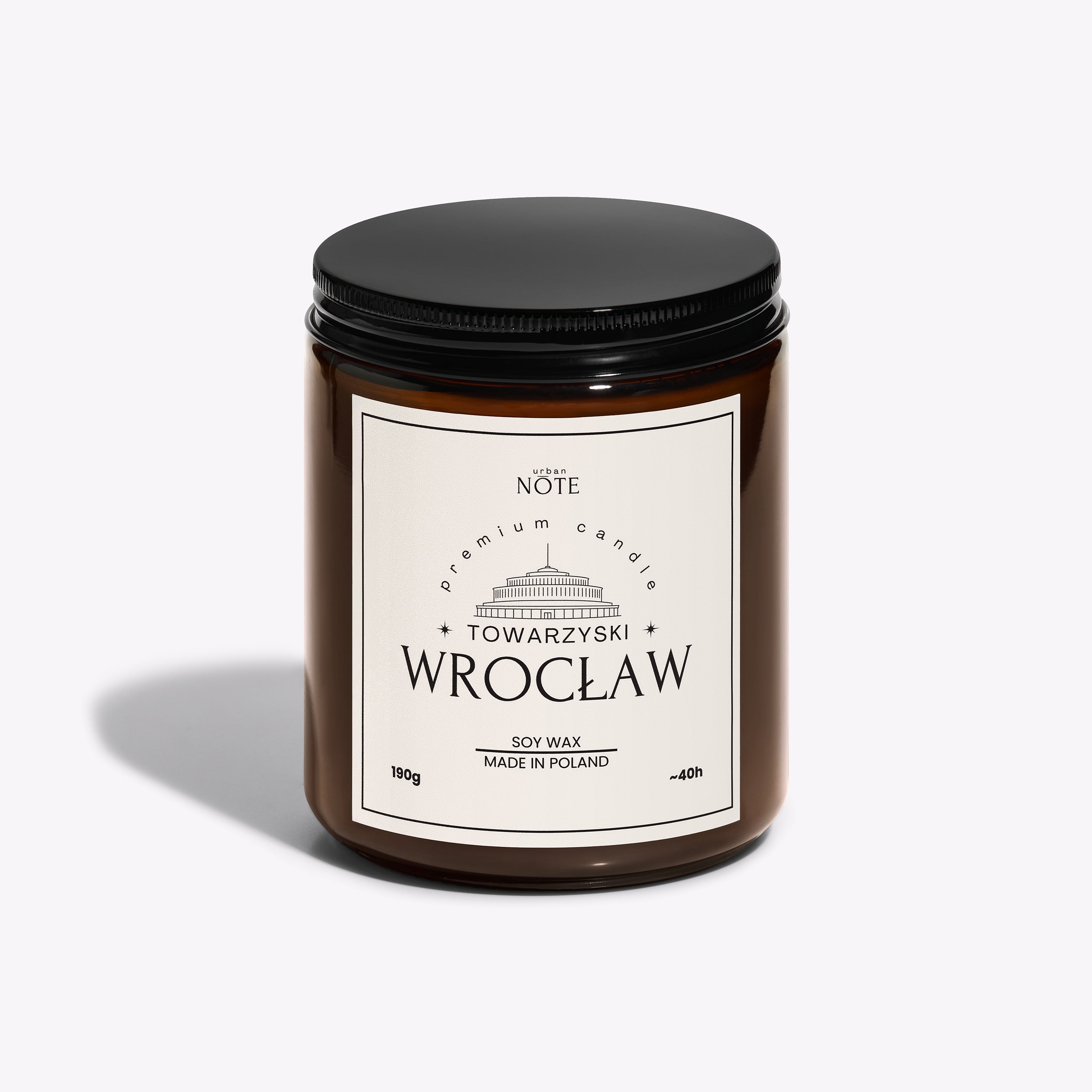
- The total hours a candle delivers across 2-4 hour sessions. UrbanNote 190 g - about 40 hours.
- Wick mushroom
- The carbon bulb that forms on the wick tip after a long burn. Trim it to 5 mm before the next light.
- Hand-poured
- Poured by hand from a jug, batch by batch. Every UrbanNote candle passes through a person's hands.
- Cotton wick
- A classic, lead-free wick of braided cotton. Gives a slender flame and a quiet, even burn.
- Wooden wick
- A flat strip of FSC-certified wood that crackles like a fireplace and produces a wider, lower flame.
- Borosilicate glass
- Heat-resistant glass used for our vessels. Withstands a full burn cycle and is reusable once the candle is finished.
- Soybean
- The seed of Glycine max, pressed to extract the oil that, hydrogenated, becomes soy wax.
- PM2.5
- Fine particulate matter under 2.5 micrometres. Every burning candle gives off some; how much depends on the wax, the wick and draughts.
- Phthalates
- Plasticiser compounds sometimes used in cheap fragrance oils. UrbanNote formulas are phthalate-free.
- 100% soy wax
- Wax pressed from soybeans only - no paraffin, no palm oil, no blends. Supplier documentation available on request.